Disclosure: As an Amazon Associate, Cowboy Sharp® earns from qualifying purchases, but it doesn’t cost you a penny more.
Ronnie’s Picks: 7 Premium Japanese Chef Knives Worth the Investment
If you’ve ever cooked with truly great premium Japanese chef knives, you already know the feeling — cleaner cuts, less effort, and a kind of precision that makes prep work downright enjoyable.
All of these knives fall into the premium category — typically over $200 — and are built for cooks who want serious performance and long-term value.
These knives aren’t special just because they’re expensive. They’re special because they’re built with intention — refined geometry, premium steels, and edges designed to cut clean, not get abused.
As both a professional knife sharpener and a home cook, I see both sides: what a knife feels like on the board and how it behaves over years of sharpening.
If you’re still deciding what level fits your kitchen, start with our:
7 Budget Chef Knives Under $100
or
8 Intermediate Chef Knives Under $200.
This post is for cooks ready to move into the premium japanese chef knives territory.
Jump to Ronnie’s Premium Picks
- 7. Shun Premier
- 6. Made In Damascus Gyuto
- 5. Wüsthof Amici (Wildcard)
- 4. Zwilling Tanrei
- 3. Zwilling Kramer
- 2. Miyabi Birchwood
- 1. Miyabi Black
Which Knife Fits Your Cooking Style?
Not every premium knife feels right for every cook — and that’s okay. Before you dive into the list, here’s a quick way to narrow it down.
If you like durability and a familiar Western feel
- Wüsthof Amici — a great “bridge” knife if you’re unsure whether you want Western or Japanese steel. Premium feel with more forgiveness.
- Zwilling Tanrei — refined performance with a comfortable, everyday balance.
These are excellent choices if you cook often but don’t want to feel like you have to baby your knife.
If you want Japanese performance and precision
- Shun Premier
- Made In Damascus Gyuto
- Zwilling Kramer
Cleaner cuts, less pressure, and a noticeable jump in performance — these reward good technique and make prep work feel smoother.
If you want top-tier sharpness and you’re ready for premium care
- Miyabi Birchwood
- Miyabi Black
Ultra high-performance steels and phenomenal edge retention — but they demand mindful use and good habits between professional sharpenings.
Countdown to Ronnie’s Premium Picks — Premium Japanese Chef Knives
7. Shun Premier

The Shun Premier is often where folks first step into the premium Japanese world — and it’s a solid place to start. It brings that refined Japanese cutting feel without being so exotic that it scares people off.
It’s the kind of knife that makes you go, “Oh… that’s what a good edge feels like.”
Ronnie’s Kitchen Perspective:
This one shines in everyday prep — onions, herbs, peppers, proteins — where a clean edge makes everything calmer. Less pressure, less slipping, cleaner slices. It’s the kind of knife that makes cooking feel smoother and more controlled.
Ronnie’s Sharpening Perspective:
Shun steel takes a beautiful edge and holds it well when treated right. The geometry matters here — so the goal is always: keep it cool, keep it precise, and preserve what makes it special. Take care of it between sharpenings and it’ll reward you.
6. Made In Damascus Gyuto

This is a modern gyuto done right — premium look, premium feel, and built for real kitchen work. It’s refined without being fussy. If you want that Japanese-style performance but you also want something that feels practical for day-to-day cooking, this one fits the bill.
Ronnie’s Kitchen Perspective:
I like this knife for big prep days — especially vegetable-heavy work. It’s comfortable in hand, easy to guide, and it doesn’t wear you out when you’re doing a lot of chopping and slicing back-to-back.
Ronnie’s Sharpening Perspective:
The core steel sharpens up beautifully, but the real secret is preserving that refined geometry. That’s where the “effortless” feeling comes from. Keep the knife treated right and it stays a joy to sharpen and a joy to use.
5. Wüsthof Amici

I consider the Wüsthof Amici a bit of a wildcard in this lineup — it’s not a traditional Japanese knife, but it absolutely earns its place here with premium knives. This is a fantastic option for cooks who aren’t quite sure yet whether they prefer Western or Japanese steel. You get the confidence and durability of German craftsmanship paired with a more refined cutting experience than most standard Western chef knives.
It bridges the gap beautifully.
Ronnie’s Kitchen Perspective:
This is the knife I’d point to for someone who wants premium performance but doesn’t want to feel like they have to baby their blade. It handles heavier kitchen work with confidence — and still gives you that clean, satisfying cut that makes prep more enjoyable.
Ronnie’s Sharpening Perspective:
Wüsthof steel sharpens predictably and holds its edge well. My goal here is always balance: keep the durability, refine the edge, and make sure it comes back feeling like a premium tool every time.
4. Zwilling Tanrei

The Tanrei is a refined fusion of German engineering and Japanese influence — built for smooth cutting, excellent control, and a premium feel that doesn’t require you to overthink it. It’s a great “everyday luxury” knife: reliable, comfortable, and sharp enough to make you smile when you hit that first tomato.
Ronnie’s Kitchen Perspective:
This one is easy to live with. It’s comfortable, predictable, and handles a wide range of prep without complaint. If you want a premium knife that feels natural from day one, this is a strong contender.
Ronnie’s Sharpening Perspective:
This blade is hardened up around 63 Rockwell and supports a roughly 9–12° edge per side — which is why it cuts like lightning when it’s dialed in. That harder steel gives you excellent edge retention, but it also means it deserves mindful use and good habits between sharpenings.
3. Zwilling Kramer

The Kramer is one of those knives you pick up and immediately understand why people get attached to them. It has classic proportions, excellent balance, and a cutting feel that’s confident and controlled. This is a “buy once, enjoy for years” kind of blade — especially if you appreciate a knife that feels substantial and purposeful in the hand.
Ronnie’s Kitchen Perspective:
This is the knife I grab when I want accuracy — clean slices on proteins, fine work on vegetables, and a steady feel when I’m moving fast. It’s not a flimsy showpiece. It’s a real working knife with a premium soul.
Ronnie’s Sharpening Perspective:
This is high-carbon steel, which means premium performance — and premium care. It will patina gracefully over time, and honestly, that’s part of its charm. If you want a spotless, mirror-shiny blade forever, don’t buy this one. But if you appreciate character and cutting power, it ages beautifully.
2. Miyabi Birchwood
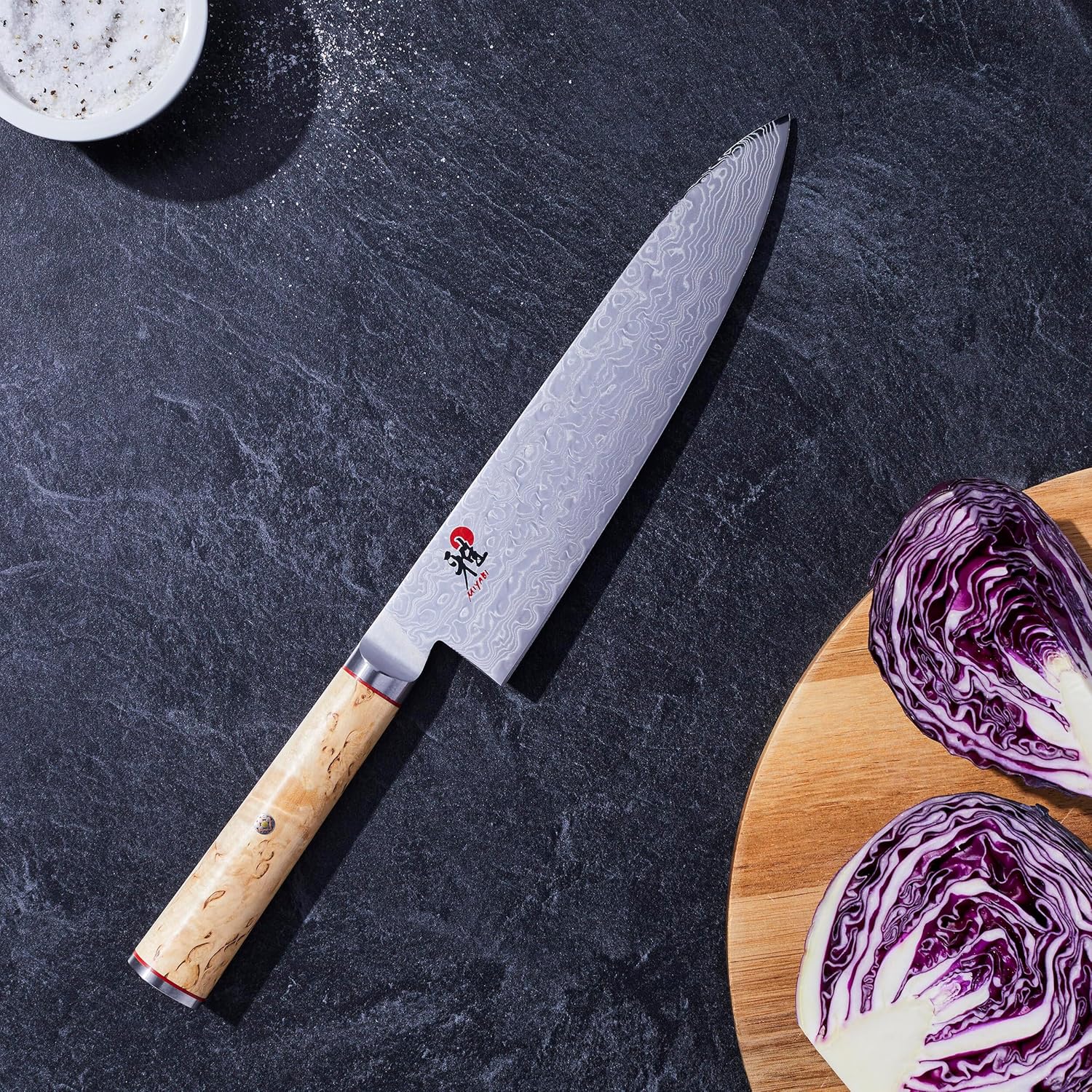
The Birchwood is premium craftsmanship you can feel the moment you start cutting. It’s a beautiful knife, yes — but it’s not just a pretty face. It’s built with high-performance steel and refined geometry that give you that clean, effortless slicing experience people chase when they “upgrade.”
Ronnie’s Kitchen Perspective:
This is the kind of knife that makes you want to cook. It’s smooth on draw cuts, precise on thin slices, and it holds steady when you’re working through a full prep session.
It feels special — but still useful, not precious.
Ronnie’s Sharpening Perspective:
I can get anything sharp… but the Miyabis are just over-the-top sharp because they’re built with ultra high-performance premium steel. I love when Miyabi knives come across my bench because I know they’re always going to leave phenomenally sharp.
1. Miyabi Black

This is the serious end of the pool. The Miyabi Black is built for cooks who want top-tier performance and edge retention that outclasses most knives you’ll ever touch. If you’re the kind of person who notices the difference between “sharp” and “holy smokes,” this is that kind of knife.
Ronnie’s Kitchen Perspective:
When you’ve got a knife like this in your hand, prep work feels cleaner and more precise. You use less force. Your cuts are more consistent. It’s the kind of tool that makes you proud of your own cooking because everything comes out a little better.
Ronnie’s Sharpening Perspective:
This blade uses MC66 steel, hardened extremely high. It is not beginner steel.
It’s challenging to sharpen because of the hardness — but the payoff is incredible edge retention.
That hardness can also be brittle if the knife is abused (twisting, prying, hard impacts), so it demands mindful use and proper maintenance. Treated right, this is a monster performer that stays sharp longer than just about anything else on this list.
Sharp Summary
Premium Japanese chef knives aren’t about status. They’re about experience — cleaner cuts, less effort, and a tool that makes you enjoy cooking more. If you’re working your way up through quality levels, be sure to also check out:
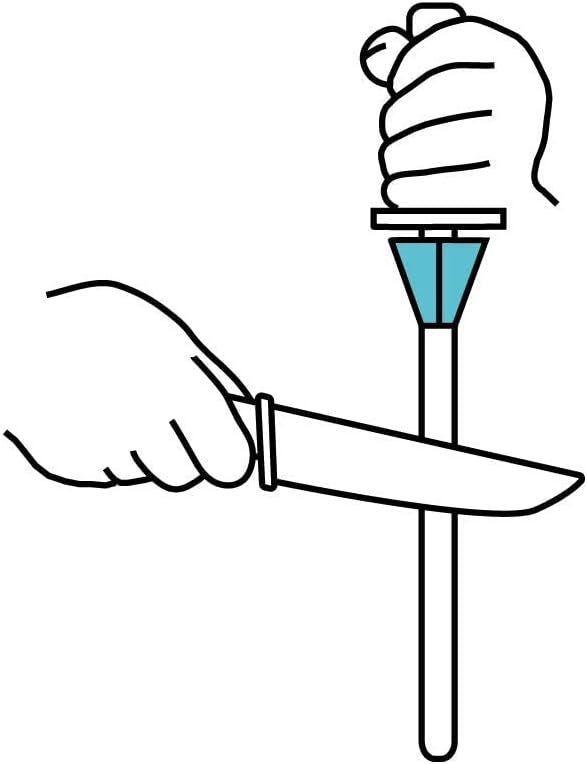
And remember the basics that keep premium steel happy between professional sharpenings:
No dishwasher. No edge scraping. Cut on wood. Respect the steel.
If you’ve invested in a premium chef knife, taking care of it properly makes all the difference. We put together a simple, no-nonsense guide to help you protect your edge between professional sharpenings — you can read it here:
Ronnie’s Knife Care Tips.
And when your edge eventually needs professional attention, that’s where we come in. Ronnie hand-sharpens each knife with care and precision — whether you’re visiting us locally or sending knives in from out of state. Premium steel deserves proper care, and we’re here to help you protect your investment.
If you’d like to learn more about how we care for premium knives — including local drop-off and farmers market sharpening — you can find all the details here:
Cowboy Sharp® Knife Sharpening Services.
If your knife ever chips, rolls, or just doesn’t feel right anymore — that’s what we’re here for.
Real skill. Real repairs. Zero judgment.